Why Architectural Photography Makes a Bold Statement in Modern Interiors
The Intersection of Design and Art
In modern interior design, the spaces that leave the most lasting impression are often those that strike a balance between artistry and structure. Architectural photography embodies this duality — capturing not just a building or façade, but the essence of human creativity expressed through design.
As more homeowners and interior designers look for art that aligns with contemporary aesthetics, architectural photography has emerged as a bold and refined choice. Each image tells a story of symmetry, perspective, and form — transforming walls into an extension of the architectural experience itself.
Don’t worry about sounding professional. Sound like you. There are over 1.5 billion websites out there, but your story is what’s going to separate this one from the rest. If you read the words back and don’t hear your own voice in your head, that’s a good sign you still have more work to do.
Be clear, be confident and don’t overthink it. The beauty of your story is that it’s going to continue to evolve and your site can evolve with it. Your goal should be to make it feel right for right now. Later will take care of itself. It always does.
What Is Architectural Photography?
Architectural photography is a fine art form that captures the design, structure, and spatial beauty of buildings and environments. Unlike traditional landscape or portrait photography, it emphasizes geometry, light, and proportion — often highlighting the artistry of the built world.
For photographers like Ethan Gifford, who is also an architect, this genre becomes more than visual documentation. It’s a dialogue between disciplines — architecture provides the framework, and photography translates that structure into emotion and atmosphere.
The result? Art that’s intellectually engaging and visually striking, perfectly suited for homes and interiors that value design-driven aesthetics.
Why Architectural Photography Stands Out in Modern Spaces
1. Clean Lines and Minimalism Complement Contemporary Interiors
Modern interiors often embrace simplicity — clean lines, open spaces, and neutral palettes. Architectural photography mirrors these same principles. Its focus on structure and composition naturally complements minimalist and contemporary spaces, adding visual interest without overwhelming the design.
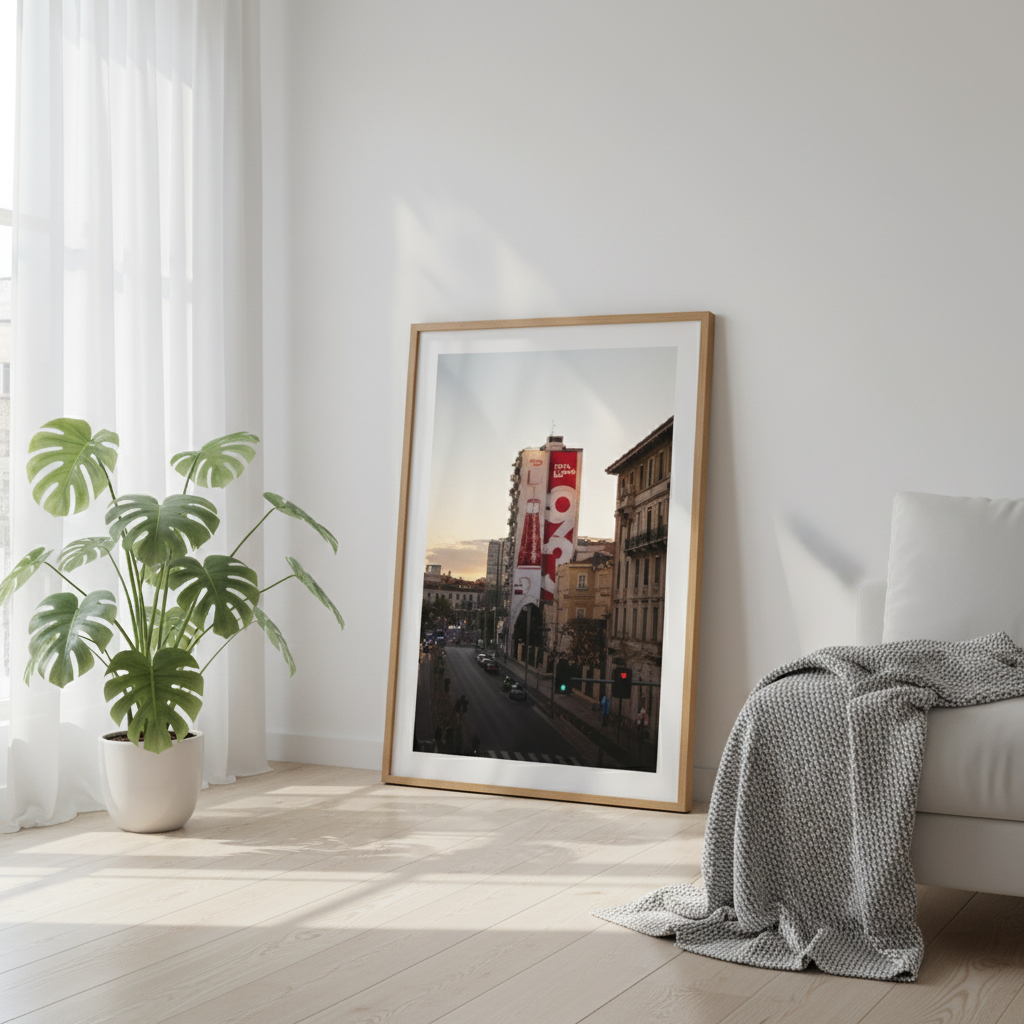
Framed architectural prints can bring balance to a room, especially when paired with natural materials like wood, stone, or metal. The effect is understated sophistication — the kind that enhances, rather than competes with, the surrounding environment.
2. A Perfect Blend of Art and Design
Unlike abstract or figurative art, architectural photography sits comfortably at the intersection of art and design. It appeals to both creative sensibilities and design-minded logic — making it an ideal choice for architects, designers, and homeowners who appreciate harmony between beauty and function.
Each image is meticulously composed, often with the same attention to proportion and symmetry that goes into designing a building. When displayed in a living room or office, it communicates thoughtfulness, taste, and an appreciation for design excellence.
3. Adds Depth and Perspective to Any Space
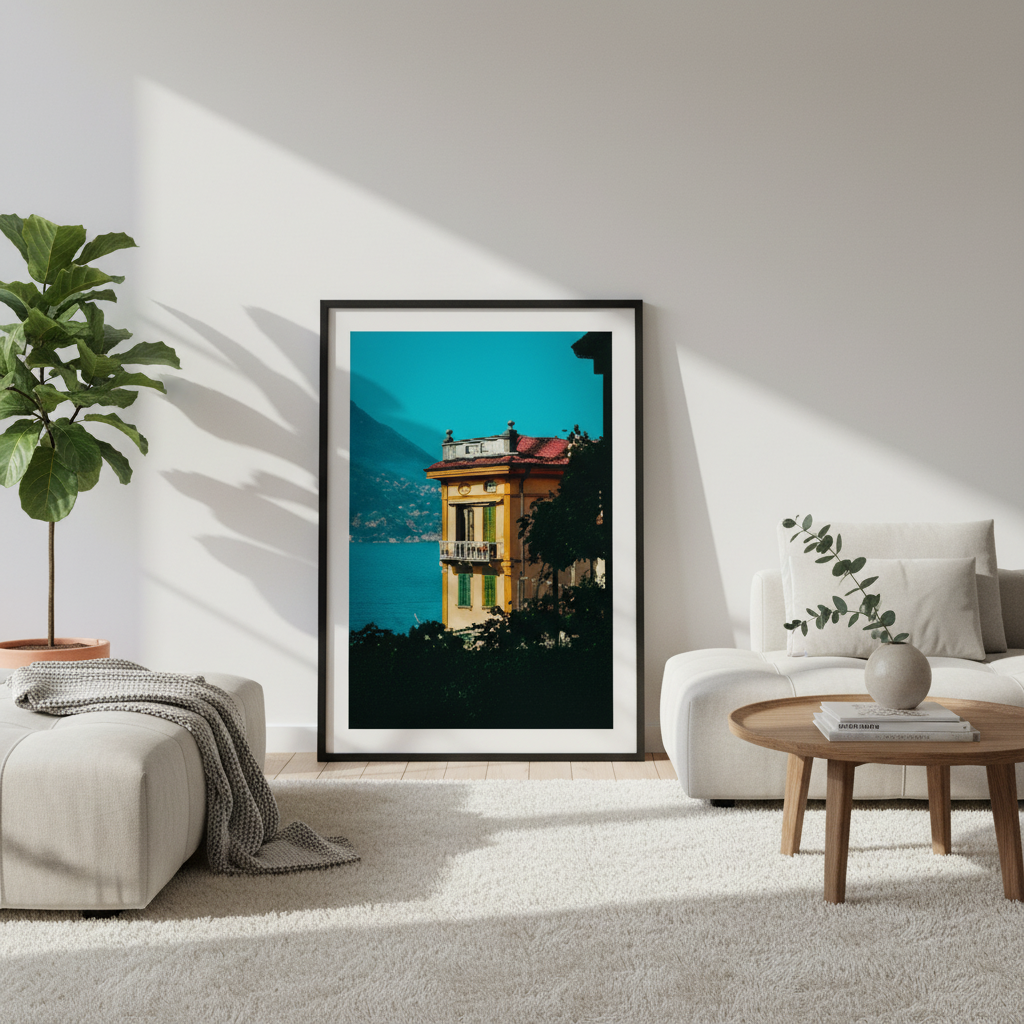
Architectural photographs often play with light, scale, and vanishing points — techniques that naturally create depth within an image. When hung in a room, these visual cues extend the perceived space, making interiors feel larger and more dimensional.
This quality makes architectural photography especially impactful in smaller spaces like apartments, home offices, or hallways. A single, large-format print can redefine a wall by giving it visual movement and spatial intrigue.
4. Evokes a Sense of Place and Story
Beyond their aesthetic appeal, architectural photographs carry a sense of identity. Each image captures not just a structure, but the culture, atmosphere, and emotion of a place. A series featuring European architecture, for example, can bring an air of travel and sophistication into a home.
For collectors and homeowners, these photographs serve as visual souvenirs of the world — snapshots of moments where art, history, and design converge. They add narrative depth to a room, making it feel more curated and personal.
5. Effortless Elegance: Ready-to-Hang Wall Art
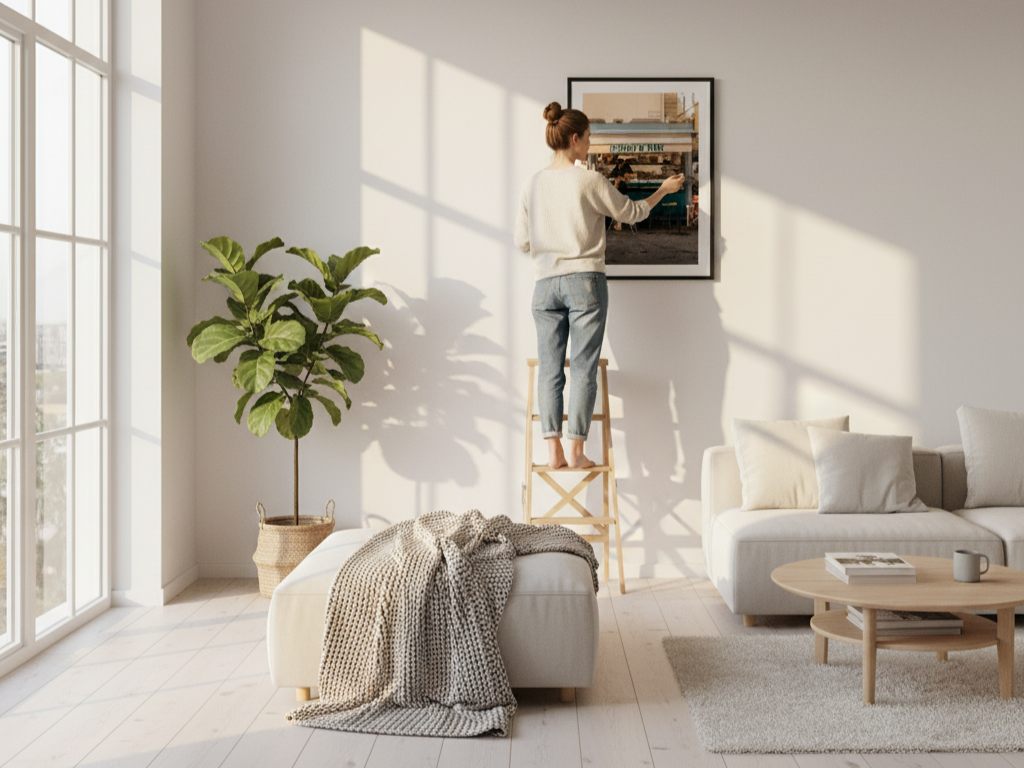
One of the reasons architectural photography is such a practical choice for modern interiors is its ready-to-hang presentation. High-quality framing, archival paper, and thoughtful finishes make each piece easy to install — offering instant transformation without the need for custom framing or complex mounting.
For busy homeowners or designers styling multiple spaces, this convenience means less time spent on logistics and more time enjoying the art. Ready-to-hang fine art photography allows for gallery-level sophistication, delivered straight to your wall.
Styling Tips: Incorporating Architectural Photography Into Your Space
1. Choose the Right Scale
Large-scale prints make a bold statement, especially when displayed above a sofa, fireplace, or console table. Smaller framed works can be grouped in a gallery wall to create a more dynamic, layered effect.
2. Let the Architecture Lead
Consider the lines and materials in your room — wood paneling, concrete textures, or curved archways — and choose photographs that echo or contrast those design elements for visual harmony.
3. Balance Tone and Contrast
Black-and-white architectural photography often suits minimalist spaces, while warm-toned prints can soften modern interiors with a touch of texture and warmth.
4. Create Continuity
If you’re decorating an open-concept home, use architectural photography to create cohesion between spaces. A consistent color palette or subject theme can tie your living room, hallway, and dining area together effortlessly.
Why Choose Architectural Photography by Ethan Gifford
Every photograph in Ethan Gifford’s collection is created through the lens of an architect — combining technical precision with artistic depth. His works capture the rhythm and balance of the built world, bringing the essence of architecture into residential spaces.
Each piece is printed, framed, and ready to hang, ensuring the highest quality from composition to installation. The result is more than wall art — it’s a statement of taste, refinement, and appreciation for timeless design.
Explore the full collection of ready-to-hang fine art photography and discover how architectural art can redefine your living space.
Final Thoughts
Architectural photography doesn’t just fill a blank wall — it transforms it. In a world where modern interiors are increasingly defined by intentional design and curated minimalism, this art form brings depth, perspective, and story into the home.
Whether you’re a designer seeking refined pieces for a client or a homeowner curating your personal sanctuary, architectural photography offers an elegant bridge between structure and soul — turning your walls into works of art.
